
Reconnecting to Life with Wholebody Focusing
/ The Grove Counselling & Therapy/ Sarah SacksWholebody Focusing can transform your life. If you would like to learn more about how this practice can help you feel empowered, more satisfied in your relationships and more engaged in life. This short 2 minute video will take you through these 5 elements of grounding in a Wholebody Focusing way ...
The 5 elements of grounding are ...
Feeling the support of:
your physical body
your environment / the earth
people in your life that care about you
your experience / your breath
And then bringing all of this together ... your whole experience

(This video was designed and produced by Sarah Sacks. Sarah is a Wholebody Focusing Oriented Therapist, who works from her practice in St Kilda East, Melbourne. Taking a holistic approach to counseling, Sarah works to empower her clients to find their own path to healing.)
Go to Online BOOKING and book a FREE SKYPE session with Sarah Sacks, to learn more about how this practice could help you.
If this content interests you, please sign up to our newsletter on the green "SIGN UP" button in the right. And as always - feel free to share this content with your network.

Breathing is something we often take for granted. It occurs automatically, roughly 20,000 times a day. But how we breathe has a major impact on how we feel. At The Grove Counselling & Therapy, we regularly run into clients who confide in us that their anxiety is only 'in their head', when in reality, the physical rhythm of breath is exacerbating mental stress.
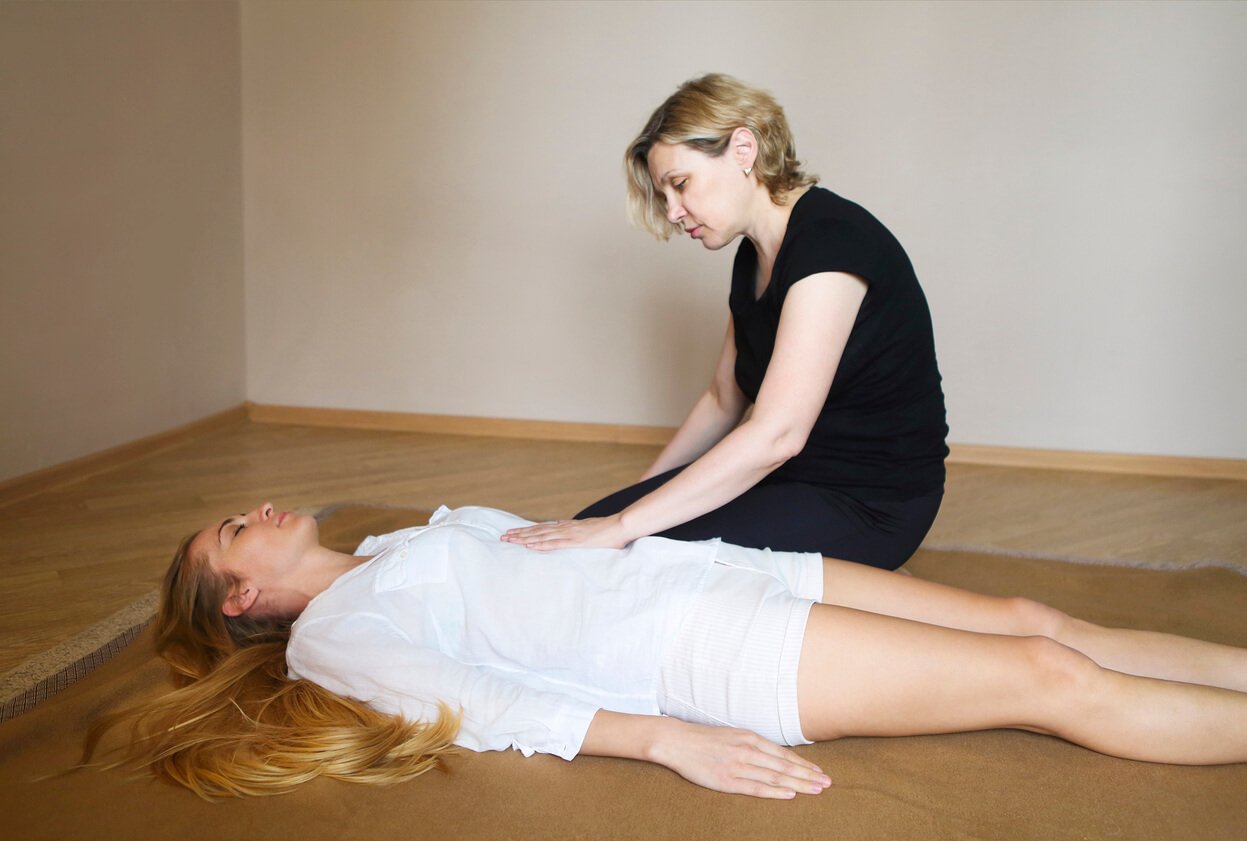
Have you ever felt like you speak about your problems endlessly, know them intellectually, but still carry the burden of them in your chest or stomach? You're not alone. Traditional talk therapy can be very powerful, but sometimes words don't do it for where stress and trauma reside.

PDA, or Pathological Demand Avoidance, can be like walking a path through a maze without a compass. Classic parenting strategies – reward charts, timeouts, strong boundaries – don't only fail, they also compound the problem. Here at The Grove Counselling & Therapy, we see a lot of burnt-out and misunderstood families.

For many autistic adults, anxiety is omnipresent and quietly humming in the background. It's more than 'worrying' in the ordinary sense; it's a physiological response to a world built with neurotypical brains in mind.

Parenting is a rewarding journey, but raising a child with Attention Deficit Hyperactivity Disorder (ADHD) comes with its own unique challenges. Repeated directions, emotional outbursts, or the daily fight about getting homework done can leave you feeling drained.

Attention Deficit Hyperactivity Disorder (ADHD) was mostly considered a childhood condition – something children would ‘grow out of’ – for decades. The truth we now know is that this is not the case.

We hear it all around us – we are going through tough times. The negativity is everywhere, from the media and social feeds, even if your personal life is doing well. At The Grove Counselling and Therapy, we often talk with clients who feel burnt out and anxious and don’t always realise that a habit called ‘doomscrolling’ is driving their anxiety.

Teen years are always one of the hardest parts of life. Young people are mid-way through a transformation from children into adults and often feel ‘clueless’ about navigating this transition. But this challenging phase is even harder today, with the added complication of life in the digital era. At The Grove, we often work with families who are having difficulty coping with how social media affects their children.

In the contemporary era, with the rapid advances in technology, our devices have become part of ourselves. With all our tech connecting us, the unending notifications and craving to be ‘plugged in’ is costing us our mental health.
We frequently talk of stress as something that happens to us, such as making it through a busy week at work, having a conflict with a partner, or coming under pressure financially. But stress is fundamentally a biological operation going on inside of us. It's the language of your nervous system attempting to protect you.