
Phone Versus Video Telehealth Sessions: Which Works Best for you?
/You stare at the appointment reminder on your phone. Ten minutes to go. Do you click the Zoom link? Or do you just ask your therapist to call your mobile? Telehealth changed everything for mental health care in Australia. It gave us unprecedented access. But it also handed us a choice that leaves many clients completely frozen. Screen or voice? Making the right call matters.
When the Telephone Actually Wins
Sometimes, looking at your own face on a computer screen is utterly exhausting. Video fatigue is a very real phenomenon. If you suffer from severe social anxiety, the pressure of being watched can completely derail a therapy session. You freeze up. You start performing for the camera. You stop being honest.
This is exactly where Telephone Counselling & Support becomes a vital lifeline. It offers a protective cloak of invisibility. You can pace the hallway. You can sit in your parked car out on the street just so your housemates cannot hear you talking. Privacy is paramount. Plus, if your Melbourne internet connection constantly drops out during heavy rain, a standard phone call removes the sheer frustration of frozen pixels and robotic audio.
What you Lose and Gain Without a Screen
Yes, we do miss things. Without video, your therapist cannot see you wringing your hands. They miss the subtle, nervous eye movements. Body language accounts for a massive chunk of human communication.
But stripping that visual data away creates a fascinating shift. You gain auditory hyper-focus. When a therapist only has your voice, they listen intently to your breathing patterns. They hear the slight, painful hesitation before you answer a hard question. For many couples engaging in telephone marriage counselling, removing the visual element actually stops the immediate, defensive eye-rolling. It forces both partners to strip away the posturing and truly listen to the raw words being spoken.
The Hard Proof Behind Phone Therapy
People often assume phone sessions are just a watered-down, inferior version of real therapy. The clinical data strongly disagrees. Research consistently shows that telephone-based interventions are highly effective for treating depression, grief, and anxiety. The long-term outcomes frequently match face-to-face results.
Why does it work so well? Because accessibility drives consistency. If picking up the phone feels easier than logging into a video portal, you are far less likely to cancel your appointment. Showing up consistently is half the battle won.
Setting up for a Solid Phone Session
Do not just take the call while wandering down the supermarket aisle. You must treat the time with respect. Find a quiet room. Shut the door firmly. Use a good pair of headphones so your hands are completely free. Keep a glass of water nearby.
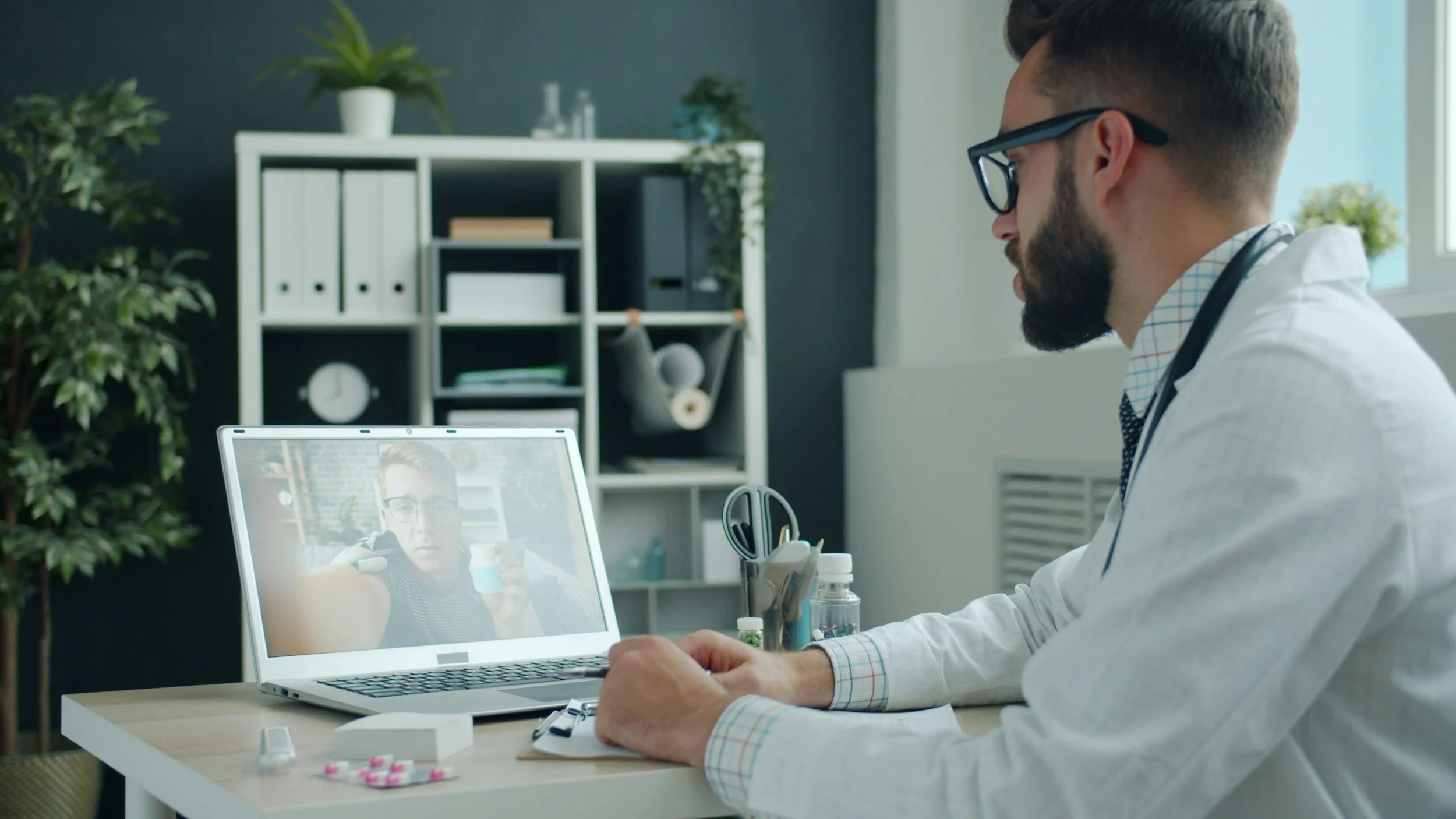
If you usually engage in online counselling via video, you already know the drill about preparing your physical space. The exact same rules apply here. Light a candle to signal the start of the session. Stare out the window at the trees. Give yourself five uninterrupted minutes before the phone rings to actually breathe and transition out of your busy work mode.
Knowing When to Change the Format
You are never locked into one single method. Start with the phone if that feels the safest for your nervous system. But pay close attention to your own progress. If you feel stuck, or if your therapist gently suggests that seeing your physical reactions might help unpack a specific trauma, it might be time to switch things up. Moving to a video platform or even transitioning to an in-person clinic visit, can jolt the therapeutic process out of a stubborn rut. Flexibility is the entire point of modern mental health care.
Your personal comfort dictates your therapeutic progress. Stop worrying about finding the perfect format and simply make the connection. Reach out to The Grove Counselling & Therapy today to book your free consultation and discover how we can support your journey.