
Art Therapy for Adults: Why Creative Expression Isn't Just for Kids
/"Leave the crayons to the primary schoolers." That is the standard adult response. We assume playing with paint is strictly for kids. We are supposed to sit on a couch, sip water, and use our big adult words to fix our lives. But what happens when the words completely run out?
Ditching the Blank Canvas Panic
"I can't even draw a stick figure." That is the very first excuse people use to avoid this.
Let's clear this up immediately. This isn't a high school art class. Nobody is grading your shading techniques or checking your perspective. You do not need a single ounce of artistic talent. The goal has absolutely nothing to do with creating a masterpiece you can hang in a gallery. It is purely about the messy, raw process of getting what is stuck inside your head out into the physical world.
Bypassing the Brain's Verbal Roadblocks
Adults are brilliant at intellectualising their problems. We talk in circles. We build massive verbal walls to protect ourselves from actually feeling the raw weight of our own experiences. You can spend months in therapy giving a highly polished, rehearsed speech about your trauma without ever actually processing it.
Creative expression sneaks right past those heavy defences.
When you pick up a piece of charcoal or start moulding a lump of clay, your brain shifts gears. You stop overthinking. You access a completely different, non-verbal part of your subconscious. The physical movement takes over. This allows you to untangle complex, buried emotions that entirely defy language.
When Words Fail During Heavy Lifting
Some life experiences are just too massive for standard conversation.
If you are navigating intense grief, severe anxiety, or deep-rooted trauma, sitting in a chair and trying to explain the exact texture of that pain often feels impossible. Sometimes the words just sound hollow. Art Therapy gives you a completely different outlet. It provides a physical container for overwhelming feelings.
You can literally externalise the panic. You can put the grief on paper, step back, and look at it from a safe distance. This is exactly why it has become such a cornerstone of adults’ therapy. It works brilliantly when standard talking hits a solid brick wall.
What Actually Happens in the Room
Forget the intimidating easel setup. A typical session is incredibly relaxed.
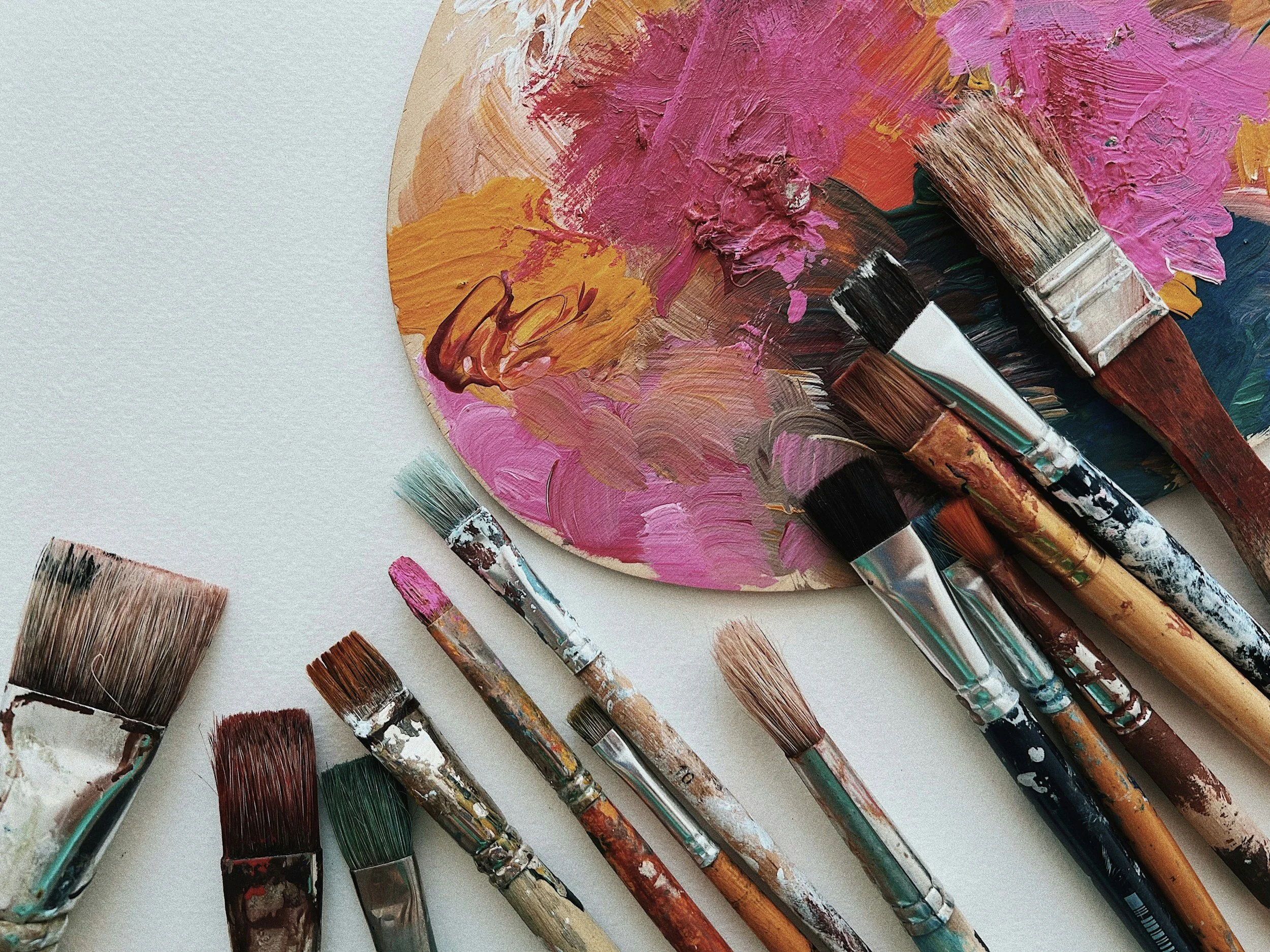
You walk in. You might sit down and chat for a bit. Then the therapist offers you materials. Maybe it is watercolours. Maybe it is just tearing up old magazines for a chaotic collage. You choose exactly what feels right in that specific moment. You might spend thirty minutes just mixing colours because the physical sensation calms your nervous system.
The therapist sits with you. They don't analyse your drawing like a crystal ball. They won't tell you that using red means you are angry. They simply ask you what the process felt like. You guide the meaning.
Blending Paint With Traditional Talk
This doesn't have to be a standalone fix. It slots perfectly into a broader holistic counselling framework.
You might spend half the session creating something, and the other half unpacking what came up while you were doing it. There is immense relief in not having to maintain intense eye contact the entire time. The physical act of making art lowers your cortisol levels. It drops your guard. Once your nervous system settles down, having a traditional therapeutic conversation suddenly becomes much easier. The two methods feed off each other.
Ready to try Something Different?
You don't have to keep talking in circles if it isn't working. Sometimes you just need to get your hands dirty to clear your head. Reach out to The Grove Counselling & Therapy today to book your free consultation. Let's find a different way forward.